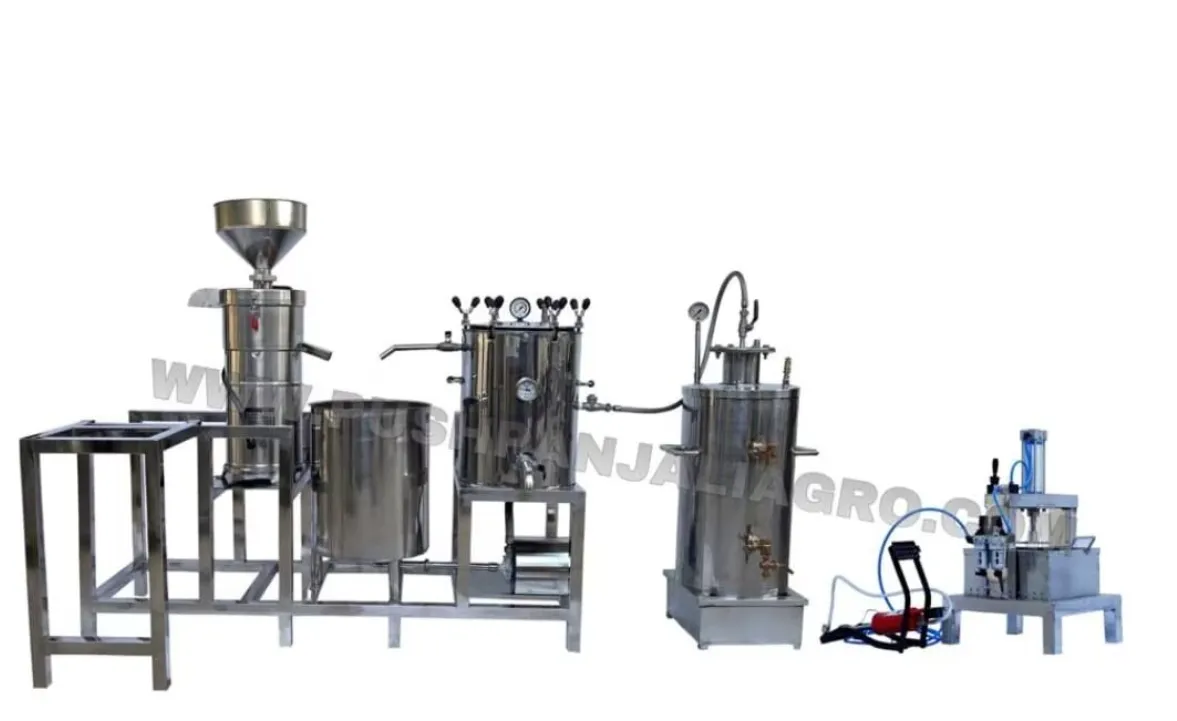
The popularity of dairy alternatives has transformed food manufacturing across India, making commercial Soya Milk Machines an essential investment for businesses producing plant-based beverages and tofu. While many people understand the final product, fewer know how modern machines simplify the entire manufacturing process.
Efficient equipment allows manufacturers to achieve consistent quality while reducing production time and labour costs.
How Soya Milk Is Produced
Commercial production generally follows a structured process:
- Cleaning soybeans
- Soaking the beans
- Grinding
- Cooking
- Filtering
- Cooling
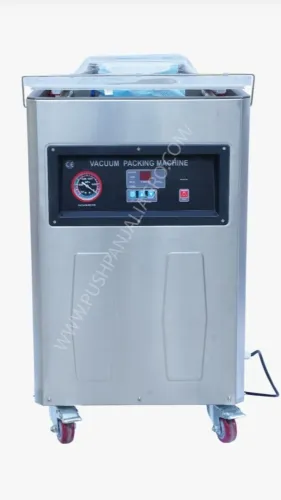
- Storage or packaging
Each stage influences the taste, texture, nutritional value, and shelf life of the finished product.
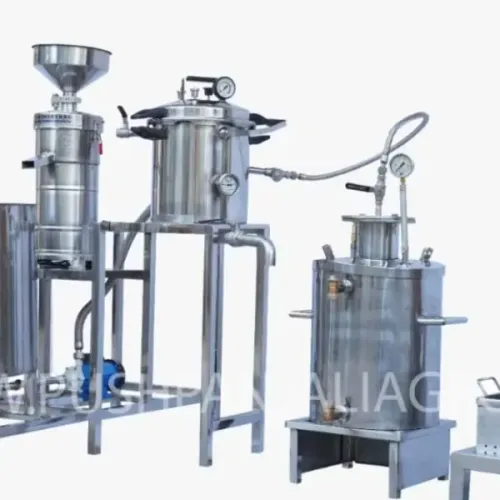
Modern machinery integrates several of these stages into one automated system.
Why Automation Matters
Automation provides measurable benefits for manufacturers:
- Uniform product quality
- Faster production cycles
- Better hygiene
- Reduced labour dependency
- Lower operational waste
- Improved process control
For businesses producing hundreds of litres daily, these improvements contribute directly to productivity.
Essential Components of a Commercial Machine
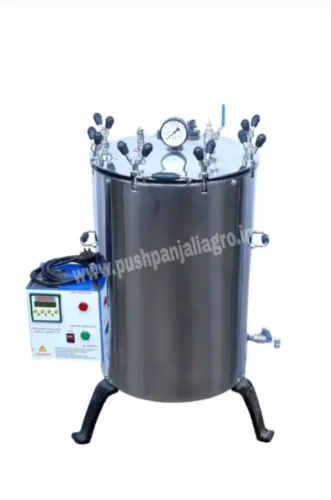
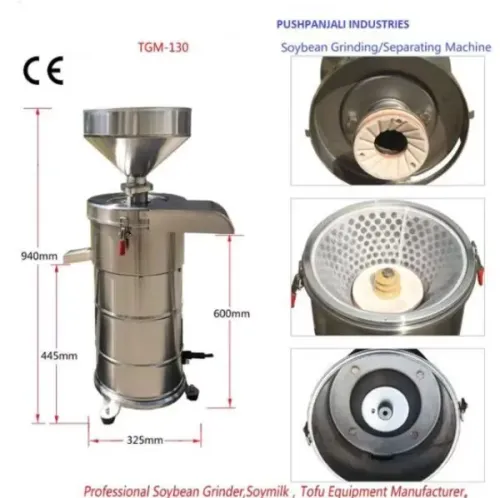
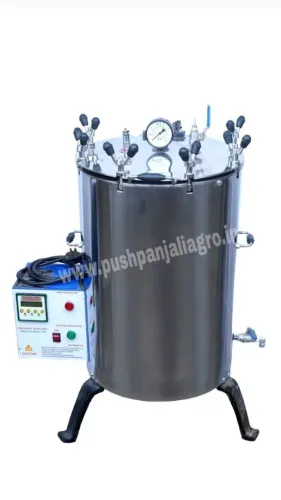
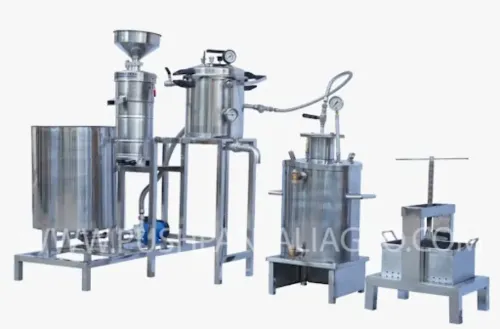
A typical commercial system includes:
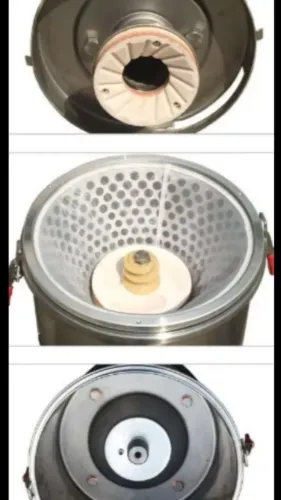
- Grinding chamber
- Heating unit
- Boiling system
- Filtration assembly
- Control panel
- Food-grade piping
- Safety mechanisms
Together, these components ensure efficient extraction and consistent production.
Applications Across Food Industries
Commercial soya milk machines are used by:
- Beverage manufacturers
- Tofu factories
- Vegan food companies
- Institutional kitchens
- Food processing plants
- Catering businesses
Growing consumer demand in cities such as Ahmedabad, Kolkata, Hyderabad, and Delhi has encouraged manufacturers to adopt modern processing equipment for larger-scale production.
Common Challenges Solved by Commercial Machines
Traditional methods often result in:
- Uneven grinding
- Variable product quality
- High labour costs
- Longer production time
- Inconsistent heating
Automated machines minimize these challenges by maintaining stable processing conditions throughout production.
Selecting Equipment for Future Growth
Businesses should evaluate:
- Daily production capacity
- Power requirements
- Factory layout
- Cleaning convenience
- Expansion possibilities
- Technical support
Choosing equipment that accommodates future production growth reduces replacement costs later.
Manufacturers like Pushpanjali Industries provide commercial food processing machines designed to support consistent production while meeting the hygiene expectations of modern food businesses.
Final Thoughts
A dependable Soya Milk Machine does much more than automate production—it improves quality control, operational efficiency, and manufacturing consistency. For businesses planning to expand in India's growing plant-based food sector, investing in reliable processing equipment creates a strong foundation for long-term growth.
Keywords