
Silken tofu requires a different product approach from conventional firm pressed tofu. Its delicate texture means the production process, coagulation method and handling requirements need to be considered carefully when machinery is selected.
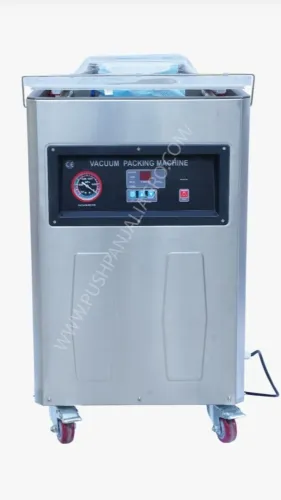
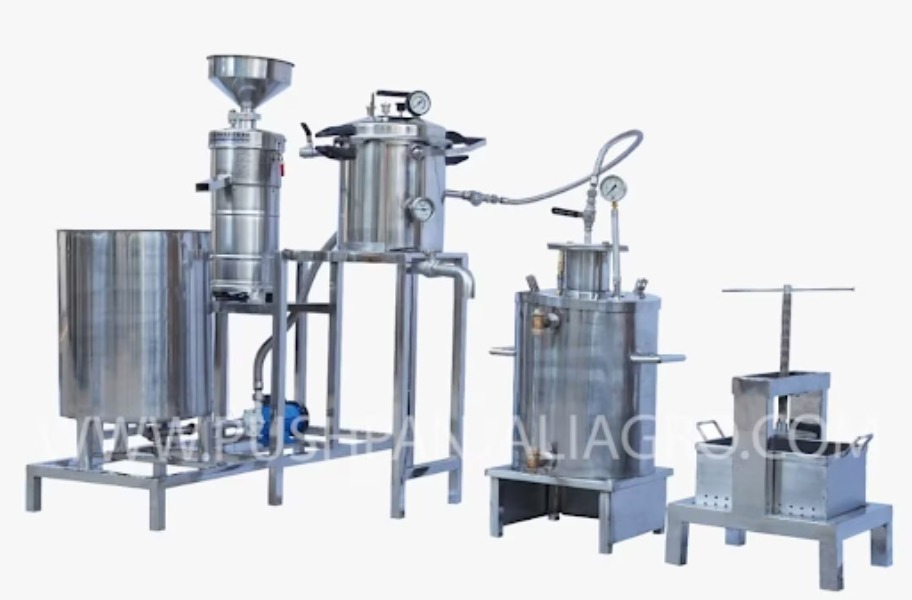
For entrepreneurs planning commercial production, a Silken Tofu Machine should fit the intended formulation, batch volume, packaging format and hygiene process.
Understand the Product Before Buying Equipment
Firm tofu is generally associated with curd formation, separation and pressing to achieve the desired structure.
Silken tofu is produced differently. The objective is to create a smooth, delicate structure with minimal unnecessary handling.
Because of this distinction, buyers should not assume that every standard tofu press setup is automatically suitable for silken tofu.
Define Your Planned Capacity
Start with expected sales rather than maximum machine output.
Estimate:
- Packs required per day
- Pack size
- Litres of soy base required
- Number of production batches
- Available operating hours
- Expected growth over the next two to three years
This helps determine whether a compact, intermediate or higher-capacity system is appropriate.
Ask About Process Control
Consistency is especially important for delicate tofu products.
Discuss how the equipment supports repeatable preparation, heating, dosing or coagulation stages applicable to the intended process. Operators should be able to follow a standard production method rather than making uncontrolled adjustments between batches.
Examine Food-Contact Construction
Buyers should inspect the materials and fabrication of food-contact components.
Also consider whether tanks, pipelines, valves and other contact areas can be reached for routine cleaning. A technically capable machine that is difficult to clean can create unnecessary operational challenges.
Check Utilities Before Ordering
Machine selection should include site readiness.
Confirm:
- Electrical load
- Phase requirements
- Water availability
- Drainage
- Floor space
- Ventilation where needed
- Production and cleaning area
- Packaging area
This is particularly important when machinery is being transported from one state to another.
Pushpanjali Industries operates in the Panchkula, Haryana industrial region and supplies soy-processing machinery for projects across India. Buyers comparing a silken tofu setup can discuss production objectives, capacity and associated equipment before finalising a configuration.
Request a Process Demonstration
A demonstration can reveal details that specifications cannot.
Observe product handling, operating sequence, cleaning access and the level of operator involvement required. Prepare questions beforehand and record the actual requirements relevant to your proposed facility.
Buying machinery becomes much less uncertain when the decision is based on a defined product and production plan. For silken tofu in particular, process suitability should take priority over simply choosing the machine with the highest quoted capacity.