Curd sales in Ambala can rise sharply with summer heat, school and office routines, weddings, festivals and daily retail peaks, but extra demand does not automatically justify a larger machine. By matching saleable output with fermentation time, cooling space, dispatch hours and peak-season cash flow, you can decide whether to expand batches, add a shift or invest in equipment.
Key takeaways
- Map lunch, evening and event demand before sizing equipment.
- Cool curd promptly after fermentation to protect summer quality.
- Compare peak-season contribution with repayment and off-season utilisation.
- Choose equipment for your filling, cooling or fermentation bottleneck.
Why Ambala’s seasonal calendar changes curd sales
Hotter summer conditions make chilled, ready-to-eat curd more attractive in Ambala, especially through lunch hours, evening shopping and daily food-service trade. School and office schedules create repeat demand for convenient cups and pouches, while weddings, festivals and tourist movement can produce short selling surges.
Local kirana stores, dairy counters and caterers do not all peak on the same day.
| Period | Demand pattern | Commercial effect |
|---|---|---|
| Summer heat | Faster movement of chilled curd during lunch and evening | Higher turnover, but greater risk from sourness, whey separation and unsold returns |
| School and office periods | Regular weekday purchases in convenient packs | Predictable dispatch windows and repeat retailer orders |
| Festivals and weddings | Large, concentrated orders around functions and holidays | Extra batches can pay off if confirmed demand and refrigerator space exist |
| Cooler or disrupted periods | Slower movement and fewer impulse purchases | Oversized production leaves cash tied up in stock and refrigeration |
A curd machine for summer business earns its value through consistent heating, culture dosing and incubation, followed by prompt cooling to about 4°C. A curd making machine for food retailers is worth considering when it helps match batch output to the retailer’s peak four-to-six-hour selling window rather than filling the largest vessel available.
Compare periods using saleable kilograms, not litres processed. Subtract milk or milk-powder input, starter, packaging, power, refrigeration, labour, cleaning chemicals, delivery losses and unsold returns; summer turnover alone can make excess capacity look profitable.
Turn peak-hour sales into a realistic production plan
Use the retailer’s busiest four-to-six-hour sales window, not the vessel’s maximum capacity, as your starting point. Record cups or tubs sold during that window for at least seven comparable days, then add a small buffer for missed sales without treating every possible customer as demand.
- Convert units into saleable weight. For example, 180 cups of 200 grams equals 36 kilograms; a 5% buffer raises the target to 37.8 kilograms.
- Measure your actual yield. If one litre of milk produces 0.98 kilograms of saleable curd, 38.6 litres of milk are required for that target.
- Match the batch to the target. Two 20-litre batches produce about 39.2 kilograms, leaving only 1.4 kilograms above the plan.
- Count backwards from dispatch. If incubation takes six hours and cooling takes two, start production eight hours before the selling window, then cool the curd to approximately 4°C before delivery.
| Period | Planning target | Suitable response |
|---|---|---|
| Peak season | Highest four-to-six-hour sales | Repeatable batches sized to refrigerator space |
| Off-season | Lower daily movement | Smaller batches and fewer cycles |
| Sudden event | Confirmed extra orders | Add a batch only against paid or committed demand |
For a curd making machine for seasonal demand in Ambala, compare payback using saleable kilograms, not litres processed. Subtract milk, starter, packaging, electricity, refrigeration, labour, cleaning chemicals, delivery losses and unsold returns. A curd production machine that separates warm incubation from prompt cooling protects both product quality and cash flow.
Control fermentation, cooling and summer product quality
Cool set curd to approximately 4°C immediately after incubation. Leaving it warm during summer dispatch allows acid development to continue, producing excessive sourness, whey separation and a weak, uneven set.
A commercial curd making machine in Ambala is valuable when it separates warm fermentation from rapid retail cooling. Heating and incubation alone do not solve the summer bottleneck. Check that the curd production machine can cool the finished batch promptly, hold it under refrigeration and record the actual product temperature.
Use a fixed routine for every batch:
- Set the incubation temperature and time for your starter culture and product specification. Record the batch temperature rather than relying only on the programmed cycle.
- Move the batch into cooling as soon as the desired set is reached. Confirm the centre of the container reaches approximately 4°C before loading it for delivery.
- Store starter culture at its specified temperature, measure a defined inoculation rate and replace aging culture instead of repeatedly back-slopping it.
- Keep milk composition consistent. Higher total solids generally improve body, while dilution or low solids increases whey separation and weak-set complaints.
- Leave space in the cooling plan for cleaning and sanitising. A delayed wash can contaminate the next batch and create unexplained changes in acidity or texture.
During peak summer hours, size cooling capacity for the batch that must be dispatched, not merely the litres the vessel can ferment. A machine that sets curd reliably but cools slowly will still produce sour returns when sales volumes rise.
Compare the investment with peak-season sales and off-season risk
A machine pays for itself on saleable kilograms, not litres processed. Calculate contribution per kilogram after milk or milk powder, starter, packaging, electricity, refrigeration, labour, cleaning chemicals, delivery losses and unsold returns; divide the machine and installation cost by that contribution.
Base capacity on the retailer’s peak four-to-six-hour sales window and refrigerator space. A curd machine for summer business becomes a liability when its batch fills more tubs than you can sell before quality declines. Cooling to about 4°C also belongs in the calculation, because warm finished curd can turn sour and separate during dispatch.
| Option | What it means | When it applies |
|---|---|---|
| Smaller machine | Lower output and lower idle capacity | Choose it when off-season sales cannot absorb a full batch and one shift covers the peak window |
| Larger batch | More kilograms per cycle with the same labour window | Choose it when peak sales are proven, refrigerator space is available and most output sells within the delivery period |
| Second shift | Use the existing machine twice daily | Choose it when demand exceeds one shift but the machine, cooling system and staff can run another complete cycle |
| Additional machine | Add parallel production and cooling capacity | Choose it when two shifts still miss dispatch deadlines or one breakdown would stop supply |
For a curd making machine for food retailers, compare the extra saleable kilograms with the added monthly cost, not the peak-season turnover. Buy capacity only when peak-season contribution covers that cost and off-season losses remain manageable. Bulk restaurant supply can justify larger containers; retail cups demand accurate filling and minimal disturbance after setting.
Choose equipment around the real bottleneck, not its rated capacity
Rated litres are a poor buying guide if cooling, packing or dispatch is slower than incubation. A commercial curd making machine in Ambala must match your peak four-to-six-hour sales window, available refrigerator space and saleable kilograms, not the largest vessel the supplier can offer.
Compare the equipment on these points:
| Feature | Verify before buying | Failure if overlooked |
|---|---|---|
| Controls | Independent temperature setpoint, timer, batch display, alarm and temperature log | Unstable incubation creates slow setting or excessive acidity |
| Sanitation | Food-contact stainless steel, smooth welds, drainable surfaces and access for manual cleaning | Milk residue contaminates the next batch |
| Cooling | Separate cooling capability reaching about 4°C after incubation | Warm curd turns sour and releases whey during delivery |
| Power protection | Generator or inverter connection, insulated holding and restart behaviour after an outage | Heating stops or finished stock deteriorates |
| Downstream fit | Filling, sealing, labelling, refrigerator capacity and dispatch space | Good curd waits warm while staff pack it |
Ask for a live demonstration using your planned batch size, including the change from incubation to cooling. Check whether the starter-culture routine, inoculation rate and batch temperature can be recorded rather than guessed.
Calculate payback from saleable kilograms after milk, starter, packaging, electricity, refrigeration, labour, cleaning chemicals, delivery loss and returns. If you compare a unit from Pushpanjali Industries, use the same checklist and figures for every quotation. A curd making machine for seasonal demand in Ambala is valuable only when it removes your actual constraint.
Related product
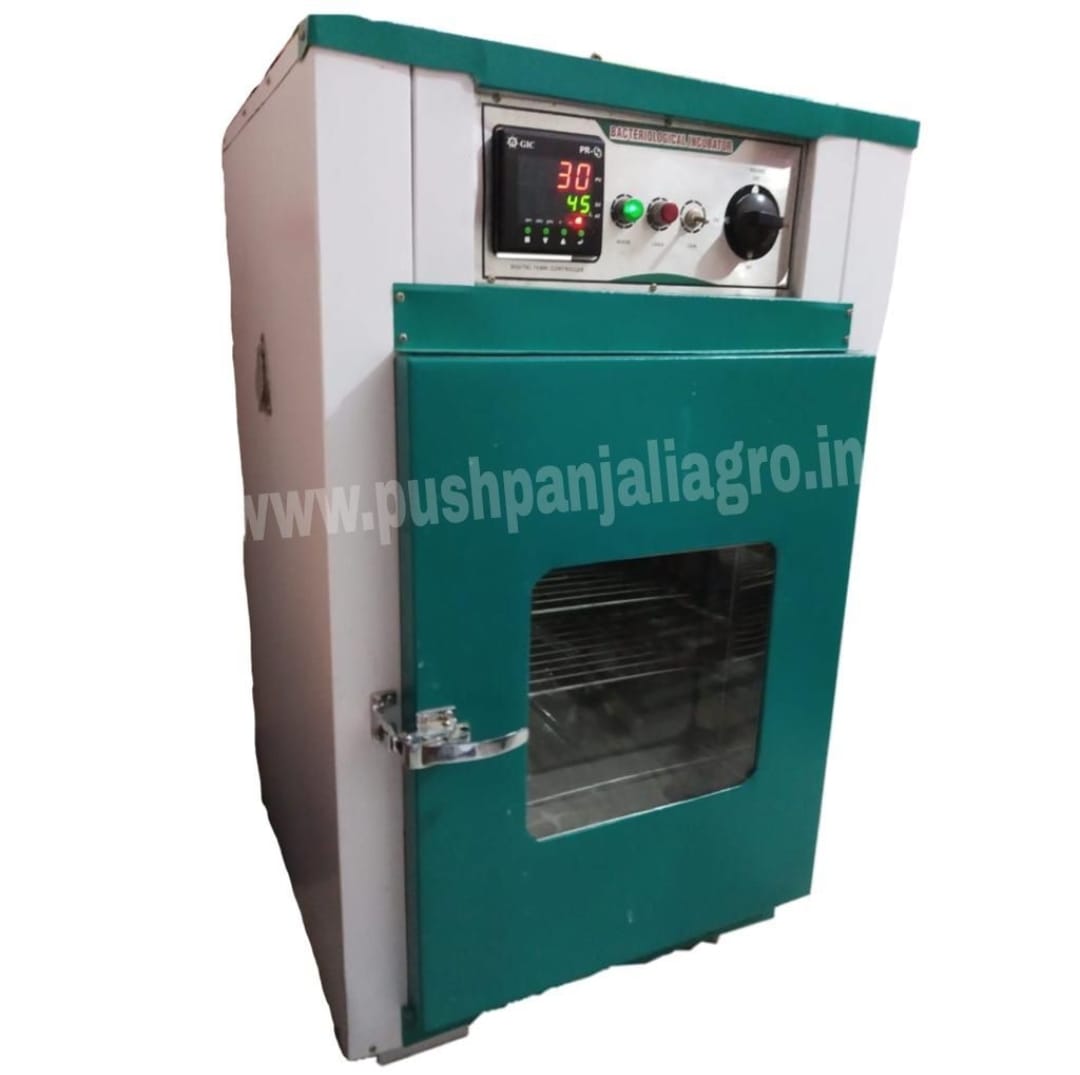 | (also known as a curd incubator) manufactured by Pushpanjali Agro Industries. View product → |
Frequently asked questions
Why does seasonal demand affect curd sales in Ambala?
Hotter months increase demand for chilled curd, while school schedules, office hours, weddings, festivals and tourist movement create distinct sales peaks.
How can retailers plan curd production around peak hours?
Separate expected lunch, evening and food-service orders, then schedule fermentation, cooling, packing and dispatch so finished curd reaches customers at the right time.
How do you control curd fermentation and cooling in summer?
Track fermentation temperature and time, use consistent culture dosing, and cool the finished curd promptly before storage and delivery.
How should you compare a curd machine investment with seasonal sales?
Calculate additional peak-season contribution, account for labour and packaging, then test whether off-season volumes can keep the equipment productive.
How do you choose a curd making machine for a retailer?
Identify the actual constraint—fermentation, cooling, filling, packing or labour—and select capacity for that bottleneck rather than relying only on the machine’s rated output.
Keywords