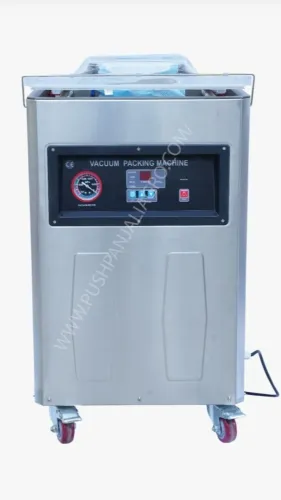
Investing in commercial soy-processing equipment is a significant decision because the selected line influences production capacity, labour requirements, floor layout, utility consumption and future expansion.
A Soya Milk Processing Machine should consequently be purchased against a defined business requirement rather than simply choosing the highest-capacity model within the available budget.
For entrepreneurs and established food manufacturers across India, the following readiness indicators can make supplier discussions far more productive.
1. You Know Your Target Daily Production
Before requesting quotations, estimate how many litres you realistically expect to sell.
Consider retail, food-service, institutional and distributor demand separately. Then calculate the production capacity needed within your planned working hours.
Leave reasonable room for growth without purchasing excessive unused capacity.
2. Your Product Range Is Defined
Will you produce only soya milk, or will the same setup support tofu, soy paneer, flavoured beverages or other products?
The answer affects the equipment configuration.
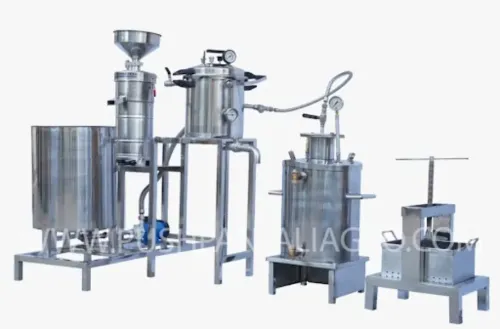
A multiproduct line may require grinding, extraction, heating, pressing, straining, cooling and different packaging systems.
3. Your Site Is Ready
A machinery quotation is only one part of the project.
Confirm:
- Available floor area
- Electrical connection and load
- Water supply
- Drainage
- Raw-material storage
- Processing space
- Cleaning area
- Finished-product handling
- Packaging space
Creating a basic floor plan before installation can prevent inefficient equipment placement.
4. You Have Compared More Than Purchase Price
Machine price matters, but it should not be the only selection factor.
Compare construction, useful capacity, operating requirements, cleaning access, automation level, installation support, operator training, maintenance needs and spare availability.
Also ask what is included in the quoted price. A lower quotation may cover a different equipment scope.
5. You Have Asked for Demonstration and Technical Details
Where practical, examine the machine or a comparable operating setup.
A useful demonstration should help you understand processing sequence, operator involvement, cleaning procedure and realistic workflow.
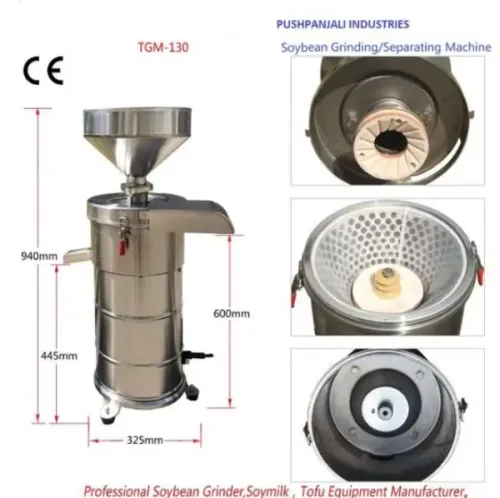
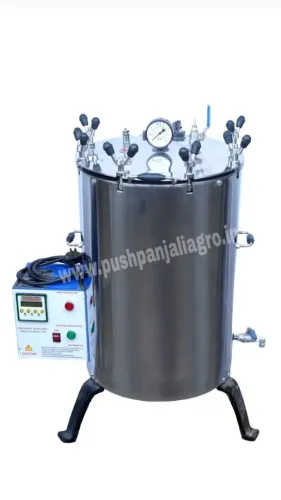
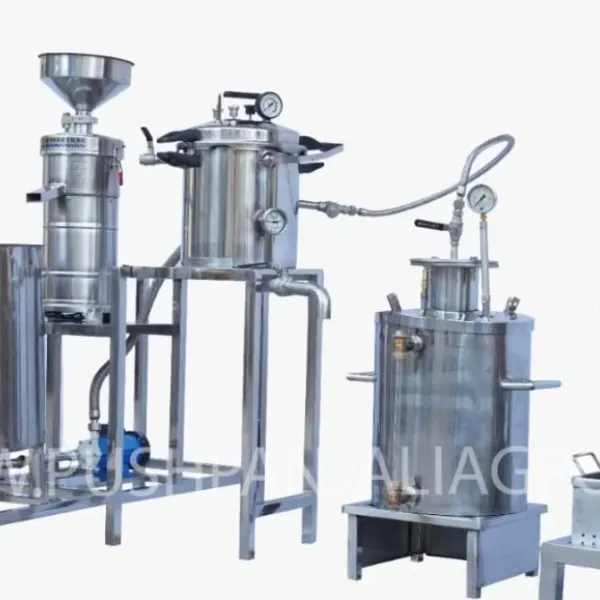
Pushpanjali Industries manufactures soy-processing equipment in the Panchkula, Haryana region and serves businesses developing soy-product projects across India. The company lists machinery configurations that can incorporate equipment for grinding, extraction, heating and tofu-related processing.
6. You Have Planned for After-Sales Requirements
Before placing an order, establish who will handle installation, commissioning, training and future technical requirements. Ask for the recommended maintenance schedule and critical spare-parts list.
A commercial soy project becomes much easier to evaluate once capacity, products, utilities, packaging and sales channels have been defined. With those details available, buyers can compare machinery based on how well it fits the business rather than relying on price or headline capacity alone.
Keywords