
Commercial curd production depends on much more than putting milk into equipment and waiting for fermentation. Temperature control, hygiene, culture management, batch handling and cleaning all contribute to consistency.
A Curd Making Machine can support a more organised production process, but equipment alone cannot compensate for poor operating practices.
For food businesses across India, avoiding a few common mistakes can make daily production easier to control.
Mistake 1: Ignoring Raw Material Consistency
Changing the characteristics of the base milk from one batch to another can influence the finished curd.
Whether a business is developing conventional dairy curd or a suitable cultured plant-based formulation, it should establish clear raw-material specifications and production procedures.
Mistake 2: Treating Temperature as an Estimate
Fermentation depends heavily on temperature.
Operators should use reliable measurement rather than deciding temperature by touch. A documented process makes it easier to investigate a batch if the result differs from expectations.
Mistake 3: Inconsistent Culture Handling
Adding different quantities of starter culture from batch to batch can create unpredictable results.
Culture type, dosage, storage and handling should follow the chosen formulation and supplier recommendations.
Mistake 4: Poor Cleaning Between Batches
Fermentation equipment requires disciplined sanitation.
Tanks, utensils, valves and other food-contact surfaces should be cleaned using an established procedure. Small residues from a previous production cycle can undermine otherwise careful processing.
Mistake 5: Selecting Capacity Without Studying Demand
A machine should fit expected production volume.
An oversized system may create unnecessary capital and operating requirements for a new business, while an undersized unit can become a bottleneck soon after sales increase.
Calculate expected demand by channel, such as:
- Direct retail
- Local stores
- Restaurants
- Institutional buyers
- Distributors
Then estimate the number and size of batches required each day.
Mistake 6: Forgetting Cooling and Packaging
Production does not end when fermentation is complete.
The finished product needs appropriate post-process handling, packaging and storage. These requirements should be planned alongside the main processing machine.
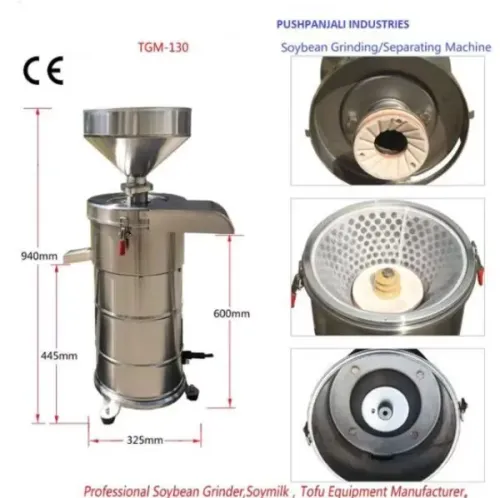
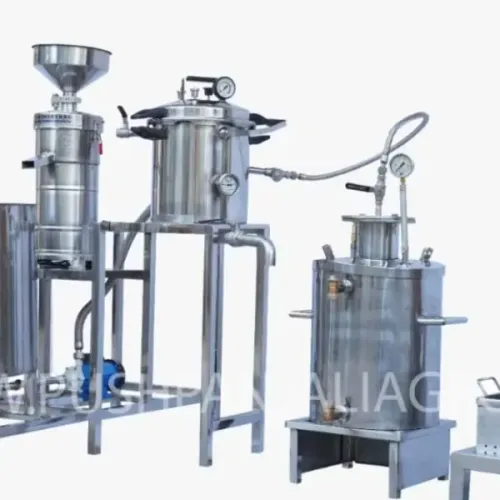
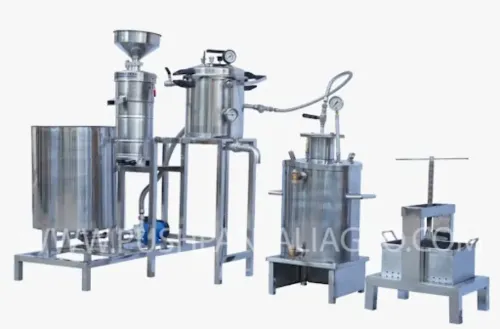
Pushpanjali Industries operates from the Panchkula, Haryana manufacturing region and supplies equipment for soy and related food-processing applications to customers across India. Businesses comparing machinery should evaluate not only machine capacity but also installation requirements, operator training, cleaning procedures and integration with other production stages.
Commercial curd manufacturing becomes easier to manage when every batch follows a defined procedure. Good equipment supports that procedure, while disciplined process control helps the equipment deliver its intended value.
Keywords