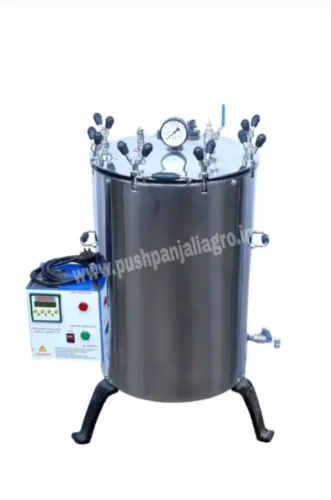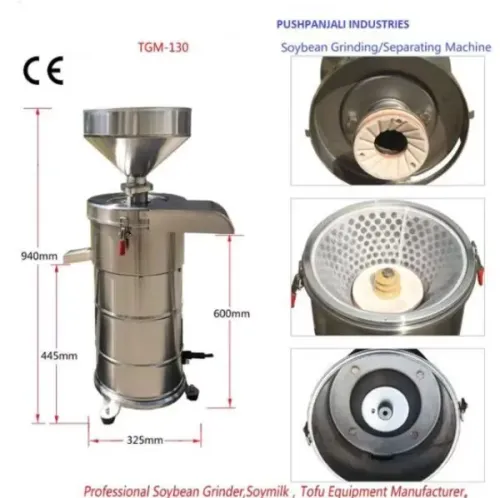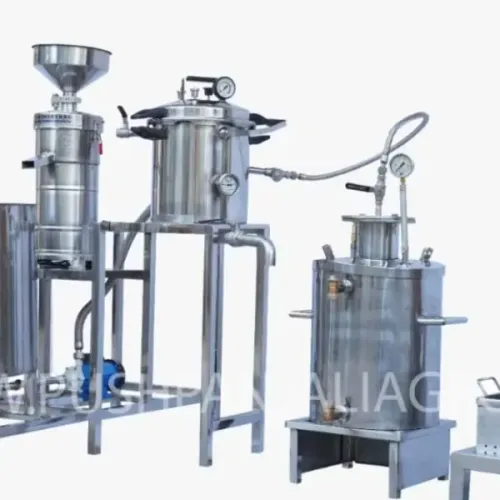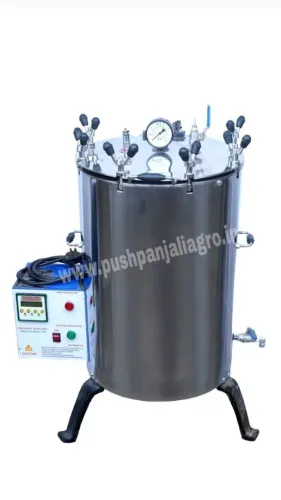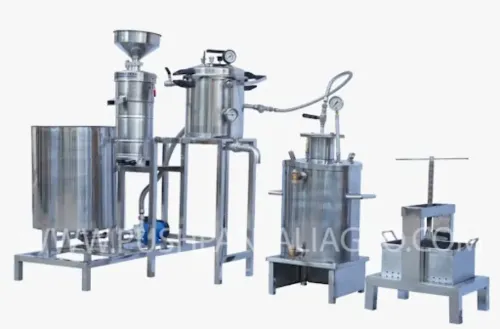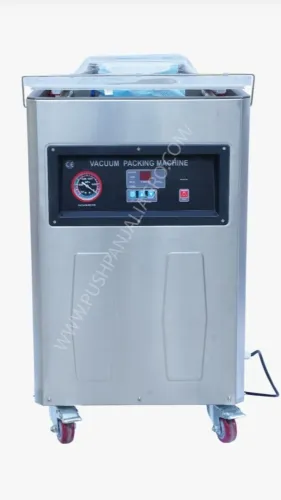
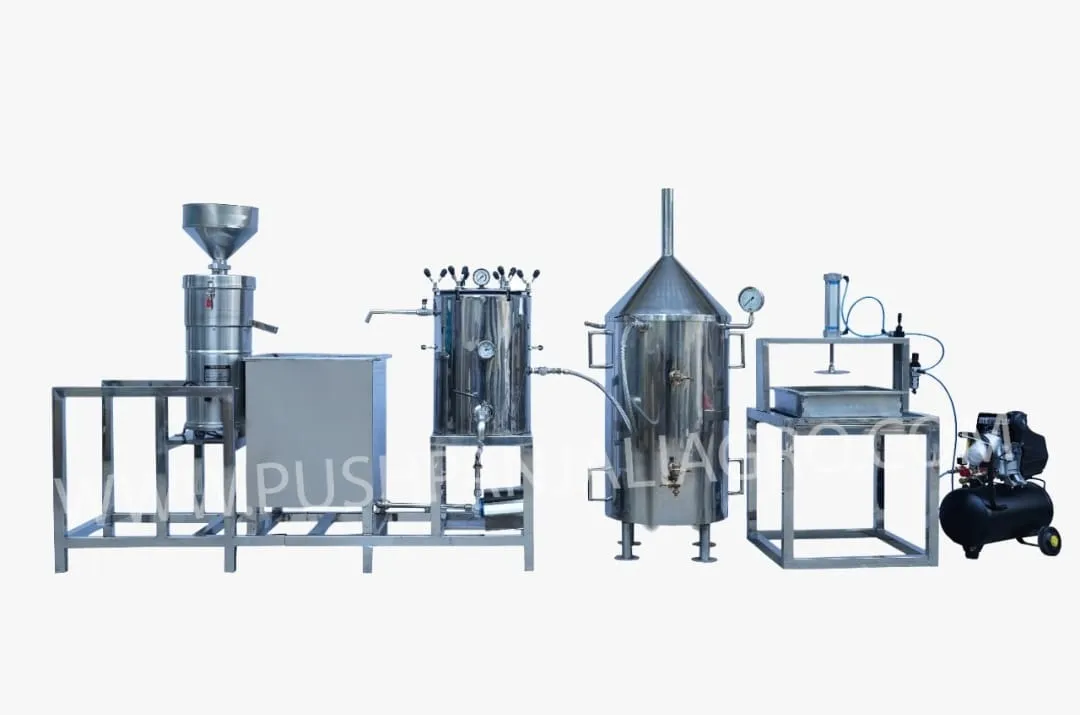
Soya milk has become a staple ingredient in the growing plant-based food industry. From beverage brands and dairy alternatives to tofu manufacturers and institutional kitchens, the demand for high-quality soya milk continues to rise across India. At the center of this production process is a reliable Soya Milk Making Machine, designed to produce hygienic, consistent, and nutrient-rich soya milk on a commercial scale.
Unlike manual preparation, commercial machines automate soaking, grinding, heating, filtering, and cooking, helping manufacturers improve efficiency while maintaining product quality.
Why Commercial Production Requires a Specialized Machine
Producing soya milk involves more than simply grinding soybeans. Each stage must be carefully controlled to preserve nutrients, achieve the right consistency, and eliminate the raw bean taste.
A commercial soya milk making machine combines several processes into one streamlined system, allowing manufacturers to produce larger batches with consistent quality while reducing labour requirements.
This is especially important for businesses supplying packaged beverages, tofu manufacturers, hotels, educational institutions, and food processing companies.
Key Features to Look For
Not every machine offers the same capabilities. Before investing, manufacturers should evaluate features such as:
- Food-grade stainless steel construction
- Automatic temperature control
- High grinding efficiency
- Built-in cooking and boiling system
- Energy-efficient operation
- Easy cleaning and maintenance
- Multiple production capacities
- Low operating noise
These features contribute to better product consistency while lowering operating costs over time.
Industries That Benefit from Soya Milk Machines
Commercial soya milk production supports several industries, including:
- Plant-based beverage manufacturers
- Tofu production units
- Vegan food manufacturers
- Dairy alternative brands
- Institutional kitchens
- Catering companies
- Food processing industries
- Export-oriented food businesses
As demand for dairy-free products continues to expand across metropolitan cities such as Mumbai, Bengaluru, Delhi, Hyderabad, Chennai, and Pune, manufacturers are increasingly investing in automated processing equipment.
How Automation Improves Productivity
Manual production often leads to inconsistent quality and higher labour costs.
Modern machines help businesses by:
- Increasing daily production capacity
- Reducing processing time
- Maintaining uniform taste and texture
- Improving food safety
- Minimizing ingredient wastage
- Lowering manpower requirements
For manufacturers planning to scale production, automation offers long-term operational advantages.
Choosing the Right Production Capacity
Production requirements differ from one business to another.
Smaller food startups may require compact systems, while established food manufacturers often prefer high-capacity equipment capable of continuous production.
Factors to consider include:
- Daily production target
- Available factory space
- Power consumption
- Expansion plans
- Maintenance support
Selecting the right capacity prevents unnecessary investment while ensuring smooth future growth.
Manufacturing Quality Matters
The performance of a machine depends heavily on engineering precision, material quality, and after-sales support.
Established manufacturers such as Pushpanjali Industries design commercial soya milk making machines suitable for Indian operating conditions, where reliability, hygiene, and long production hours are essential for food processing businesses.
Businesses should also verify spare parts availability and technical assistance before making a purchase.
Final Thoughts
As India's plant-based food industry continues to expand, investing in a dependable Soya Milk Making Machine can help manufacturers improve production efficiency, maintain consistent quality, and meet increasing market demand. Choosing equipment that combines durability, automation, and food-grade construction provides long-term value for businesses looking to grow sustainably.
Keywords