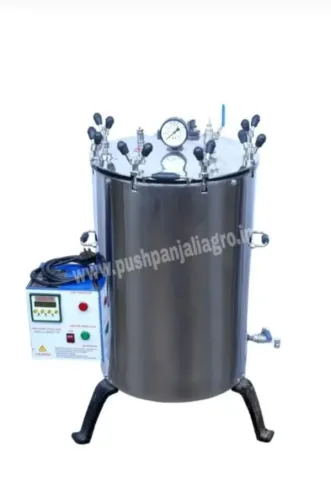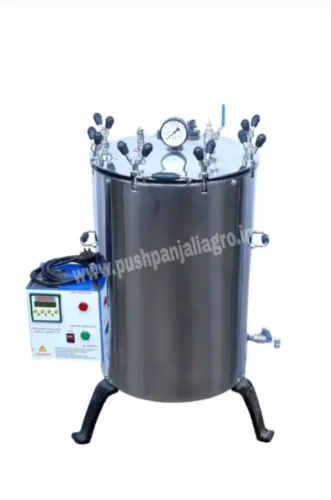
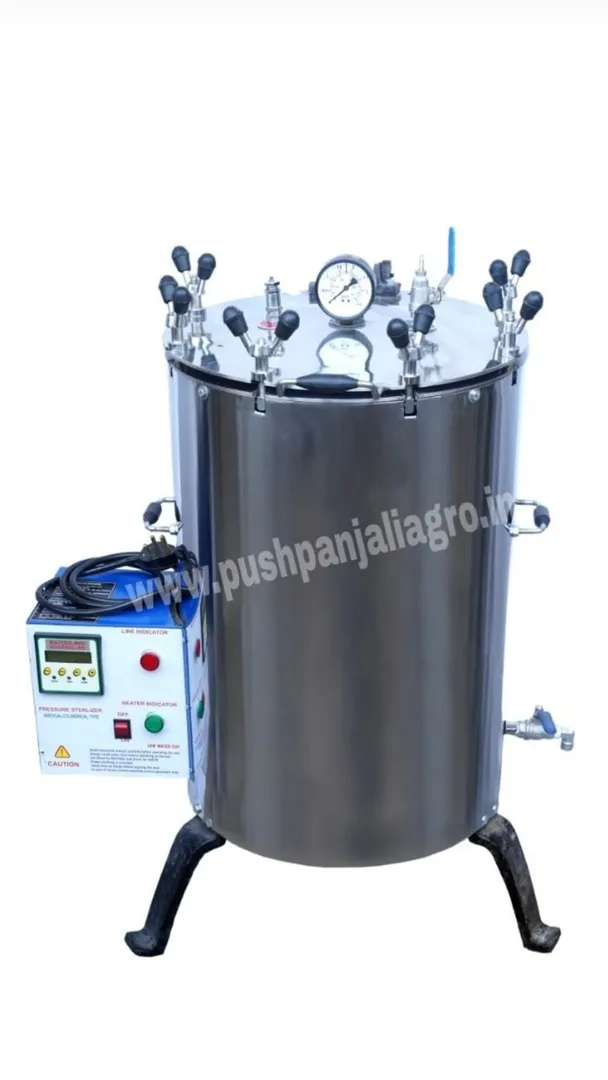
Food safety begins long before a product reaches the consumer. For manufacturers packaging soya milk, dairy beverages, juices, sauces, and other liquid products, a reliable Glass Bottle Sterilizer is an essential part of the production line. Proper sterilization helps reduce contamination risks, extends product shelf life, and supports compliance with food safety standards.
As food processing businesses across India continue to expand, selecting the right sterilization equipment has become an important investment rather than an optional upgrade.
Why Bottle Sterilization Matters
Glass bottles may appear clean, but they can still contain dust, microorganisms, or contaminants introduced during storage and handling. Filling products into inadequately sterilized bottles can compromise product quality and increase spoilage.
A commercial sterilizer ensures bottles are cleaned under controlled conditions before filling, helping manufacturers maintain consistent hygiene throughout production.
Features to Look for in a Glass Bottle Sterilizer
When comparing machines, manufacturers should evaluate more than capacity alone. Important features include:
- Stainless steel construction for food-grade hygiene
- Uniform heating or steam sterilization
- Adjustable temperature controls
- Energy-efficient operation
- Easy loading and unloading
- Low maintenance design
- Compatibility with multiple bottle sizes
- Safety protection systems
Machines with these features are better suited for continuous commercial production.
Industries That Benefit from Bottle Sterilization
A glass bottle sterilizer is commonly used by:
- Soya milk manufacturers
- Dairy processing units
- Beverage companies
- Juice manufacturers
- Herbal drink producers
- Sauce and condiment manufacturers
- Food export businesses
In manufacturing regions such as Maharashtra, Gujarat, Karnataka, and Uttar Pradesh, automated sterilization systems have become a standard part of hygienic production facilities.
Common Buying Mistakes
Many businesses make purchasing decisions based solely on machine cost.
Instead, evaluate:
- Daily production requirements
- Future expansion plans
- Utility consumption
- Maintenance accessibility
- Availability of technical support
- Spare parts supply
Considering these factors helps reduce long-term operating costs while improving production efficiency.
The Importance of Reliable Equipment
Machine reliability directly influences production schedules and product quality. Established manufacturers such as Pushpanjali Industries develop commercial food processing equipment designed to withstand continuous industrial use while meeting the hygiene expectations of modern food manufacturing.
Choosing equipment from an experienced manufacturer also provides better access to service and replacement components.
Final Thoughts
A commercial Glass Bottle Sterilizer plays a vital role in maintaining product safety and preserving quality. Businesses that invest in dependable sterilization equipment are better positioned to meet regulatory expectations, improve operational efficiency, and build long-term customer confidence in an increasingly competitive food industry.
Keywords