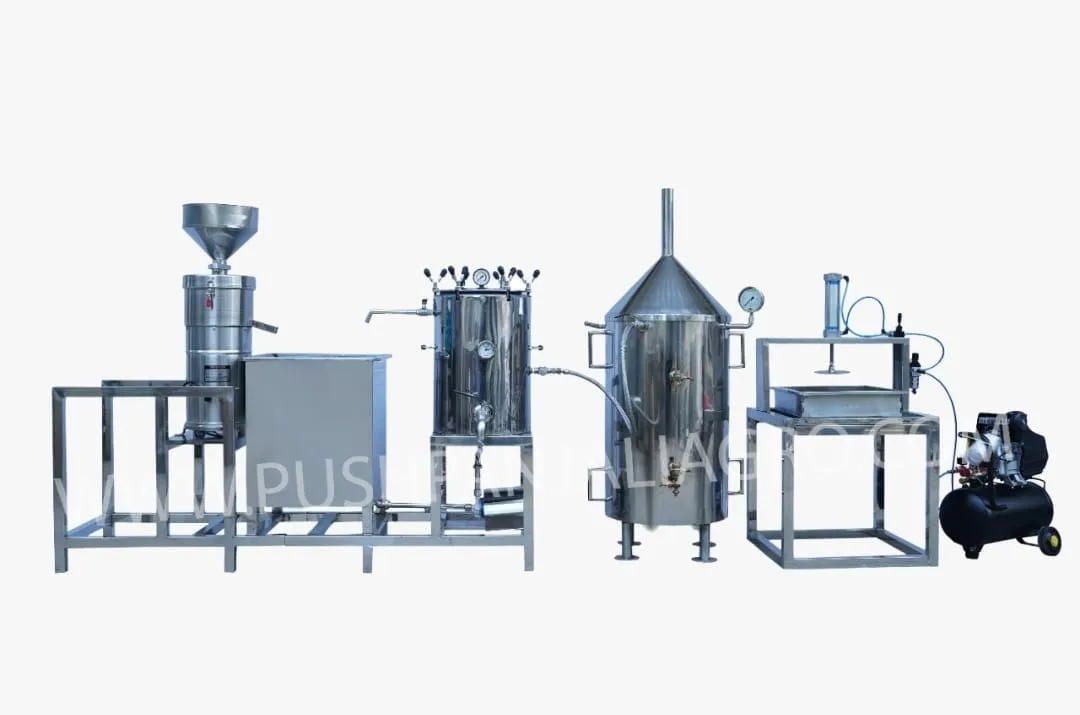
Soya milk production has moved well beyond small manual batches. Food entrepreneurs, plant-based beverage businesses, dairy-alternative manufacturers and institutional kitchens increasingly need a process that can deliver repeatable output while maintaining hygiene and reducing unnecessary manual handling.
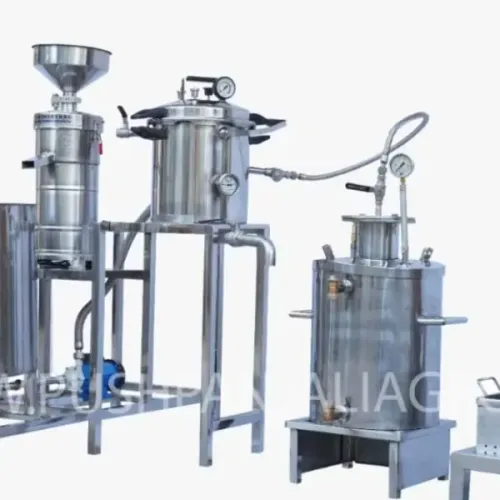
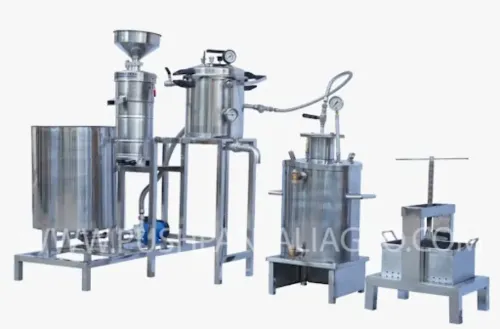
A Soya Milk Making Machine brings the major processing stages into an organised production workflow. Depending on the configuration, a commercial setup can incorporate grinding, milk extraction, heating, filtration and related processing equipment. This makes it easier to standardise production as demand grows.
For businesses in Panchkula, Haryana, and buyers sourcing machinery for projects across India, understanding the basic process is useful before deciding what capacity or level of automation is suitable.
What Happens During Commercial Soya Milk Production?
Soybeans require several processing stages before they become a usable beverage. A typical production workflow includes:
- Cleaning and soaking the soybeans
- Grinding soaked beans with water
- Separating the liquid from the fibrous material
- Heating or cooking the extracted liquid
- Filtering where required
- Cooling the prepared soya milk
- Flavouring or further processing according to the product
- Filling and packaging under hygienic conditions
Each stage can affect taste, texture, consistency and production efficiency.
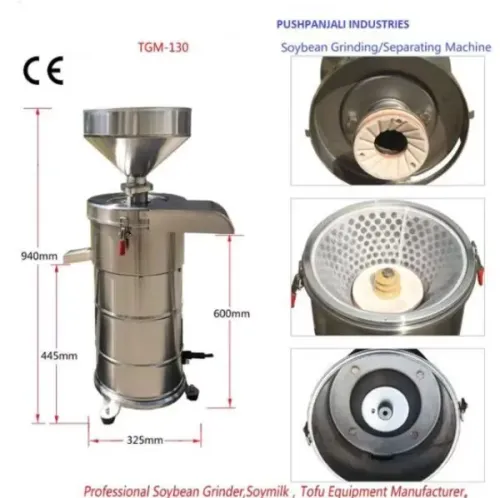
Why Is the Grinder Important?
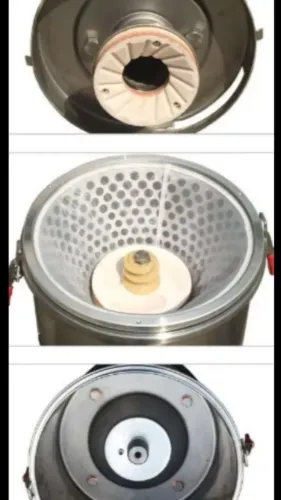
Grinding is one of the most important stages because effective size reduction helps release soluble components from the soybean.
A properly selected grinder should provide consistent processing without becoming a bottleneck for the rest of the production line. Grinder capacity should therefore be considered together with heating, filtration and downstream handling capacity rather than as an isolated specification.
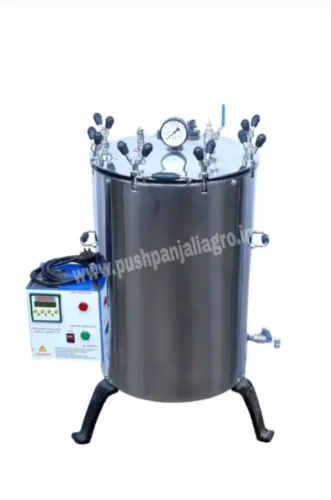
Heating Requires Proper Process Control
Raw extracted soybean liquid requires appropriate thermal processing. Commercial equipment helps operators manage this stage more systematically than open-vessel manual preparation.
The exact processing parameters depend on the recipe, equipment and intended finished product. Operators should establish a documented process rather than relying on visual judgement alone.
Hygiene Matters at Every Stage
Food-contact surfaces should be accessible for routine cleaning. Stainless-steel equipment is widely used in food processing because it can offer durability and practical sanitation when correctly fabricated and maintained.
Operators should pay particular attention to:
- Grinder and extractor contact surfaces
- Tanks and pipelines
- Heating vessels
- Filters
- Valves and fittings
- Filling equipment
Cleaning immediately after production can also prevent residues from drying inside the system.
Choosing Capacity According to Real Demand
A larger machine is not automatically the right machine. Entrepreneurs should estimate daily demand, working hours, batch frequency, available labour, electrical requirements and planned product range.
Pushpanjali Industries, based in the Panchkula and Haryana manufacturing region, supplies equipment for soy-processing applications and can be considered by businesses evaluating different production configurations.
A well-planned setup should create a balanced production flow. When grinding, extraction, heating and packaging capacities complement one another, the operation becomes easier to manage and more practical to scale.
Keywords