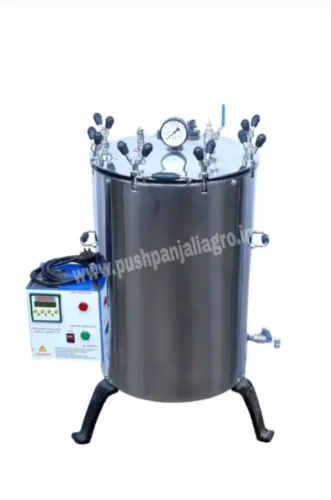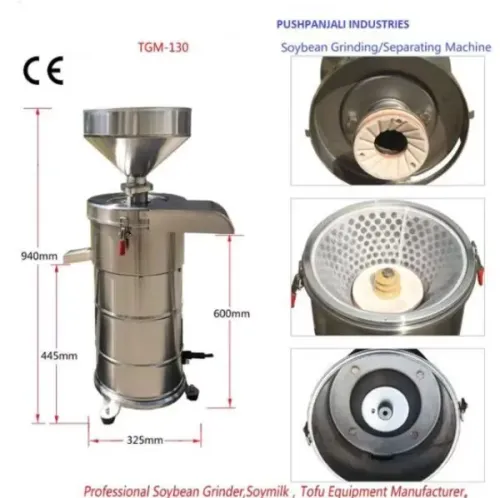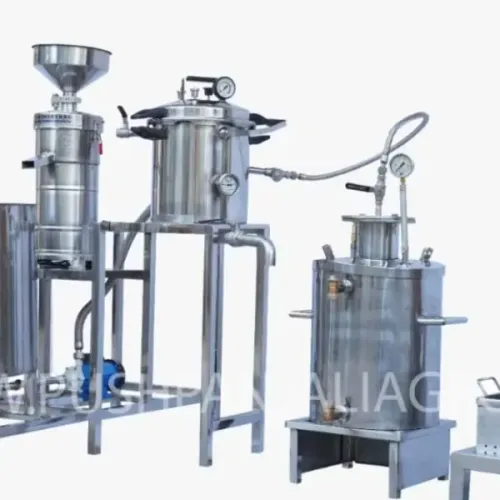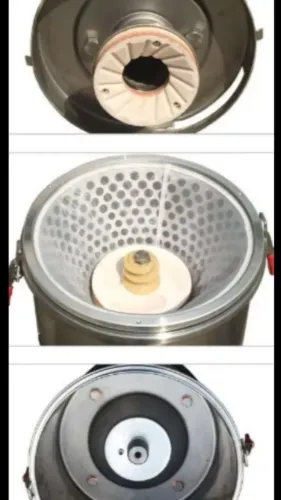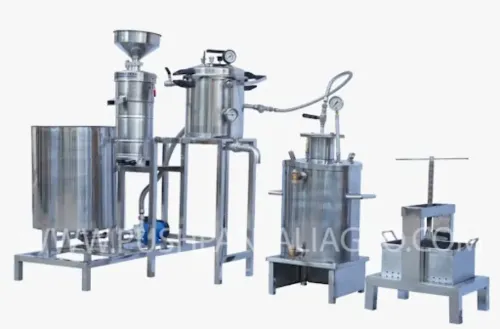
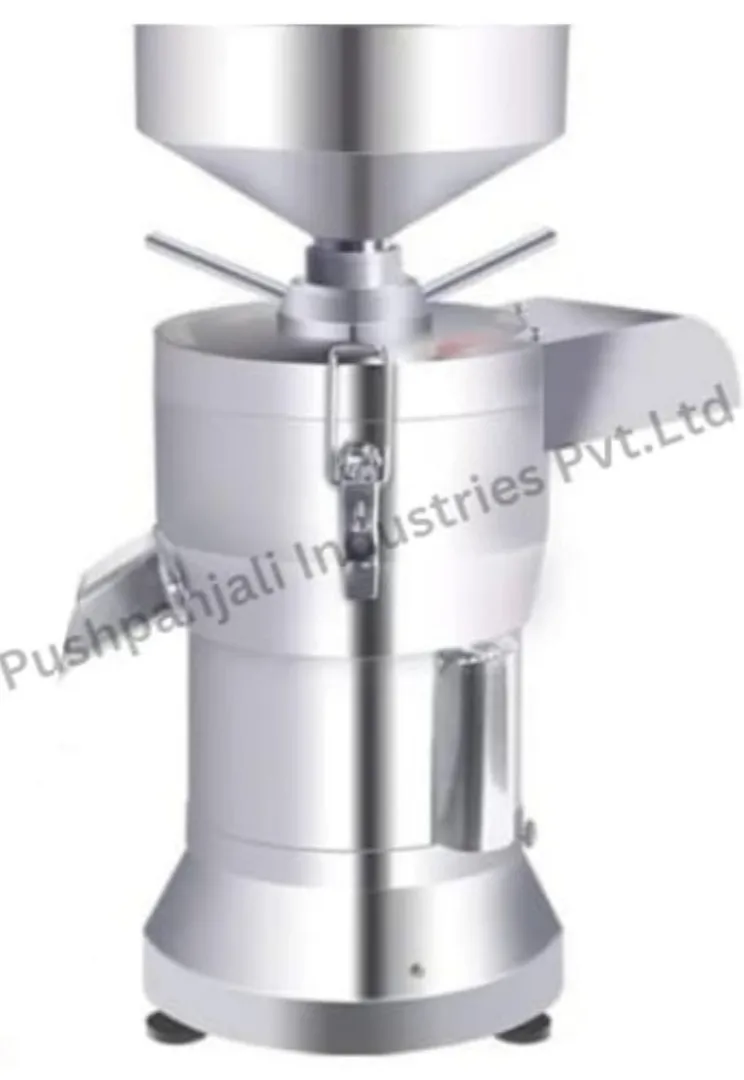
A commercial Soya Milk Grinder is one of the most important machines in a plant-based food production line. Its performance directly affects extraction efficiency, product consistency, and overall production costs. Like any industrial equipment, however, grinders require proper operation and maintenance to deliver reliable results over the long term.
Understanding common issues and their solutions helps manufacturers reduce downtime and maintain uninterrupted production.
Uneven Grinding Performance
One of the most common problems is inconsistent grinding.
Possible causes include:
- Worn grinding components
- Incorrect machine settings
- Poor-quality soybeans
- Overloading the machine
Routine inspection and timely replacement of wear parts help maintain consistent grinding quality.
Excessive Heat Generation
Continuous operation without adequate maintenance may increase operating temperatures.
Manufacturers should:
- Monitor motor performance
- Follow recommended operating cycles
- Keep ventilation areas clean
- Perform scheduled servicing
Proper operating practices reduce unnecessary stress on the equipment.
Reduced Extraction Efficiency
Lower extraction rates often result from:
- Dull grinding surfaces
- Improper soaking of soybeans
- Incorrect feed rate
- Inadequate cleaning
Maintaining the complete production process—not just the grinder—helps maximize output.
Frequent Machine Downtime
Unexpected stoppages usually occur because preventive maintenance has been neglected.
A simple maintenance checklist includes:
- Cleaning after each production cycle.
- Inspecting electrical connections.
- Lubricating moving parts where recommended.
- Checking motor alignment.
- Replacing worn components before failure occurs.
Preventive maintenance is almost always less expensive than emergency repairs.
Selecting Equipment Built for Industrial Use
Machine reliability begins with engineering quality. Commercial food manufacturers should evaluate:
- Motor durability
- Food-grade construction
- Spare parts availability
- Service support
- Ease of maintenance
- Production capacity
Choosing industrial-grade equipment reduces operational risks over the long term.
Supporting India's Expanding Plant-Based Food Industry
As demand for soya-based beverages and tofu continues to grow across India, manufacturers are upgrading processing facilities to improve productivity and meet higher quality standards. Reliable grinding equipment remains one of the most important investments in this transition.
Companies such as Pushpanjali Industries manufacture commercial soya processing equipment designed to deliver consistent grinding performance while supporting continuous industrial production.
Final Thoughts
Maintaining a commercial Soya Milk Grinder involves more than occasional servicing. Regular inspections, operator training, quality raw materials, and preventive maintenance all contribute to better production efficiency and longer machine life. Businesses that prioritize equipment care often experience lower operating costs and more consistent product quality over time.
Keywords