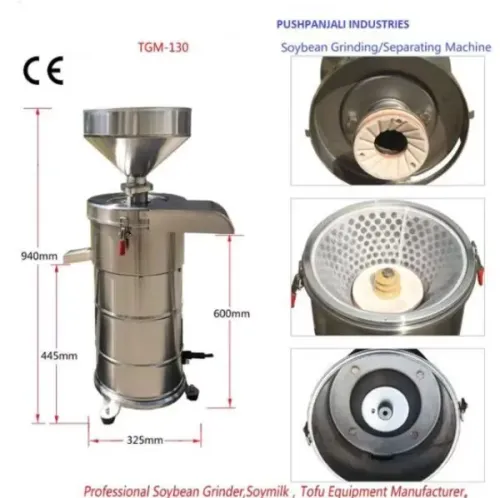
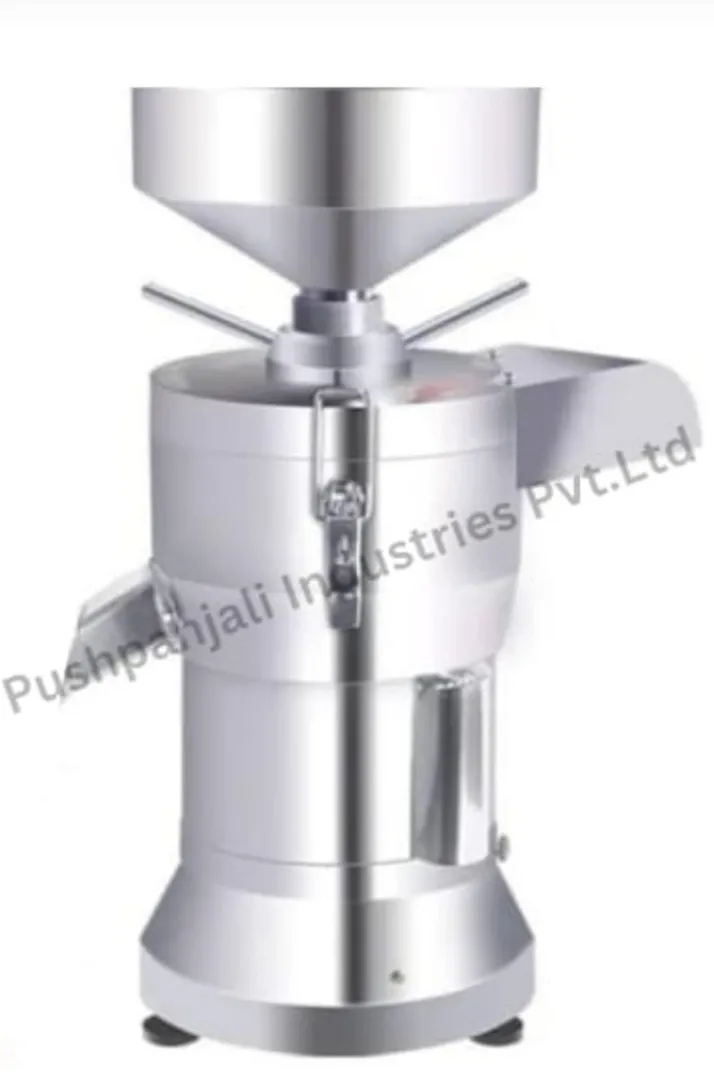
Selecting the right Aluminum Soya Milk Grinder is an important decision for food manufacturers aiming to produce high-quality soya milk efficiently. While both aluminum and stainless steel grinders are widely used in commercial food processing, understanding their strengths and limitations helps businesses choose equipment that matches their production goals.
The best option depends on factors such as production volume, maintenance expectations, operating environment, and long-term investment.
Understanding the Role of a Soya Milk Grinder
Grinding is one of the most critical stages of soya milk production. A high-quality grinder breaks soaked soybeans into a fine slurry, improving extraction efficiency and producing smoother soya milk.
Poor grinding performance can lead to lower extraction rates, uneven texture, and unnecessary raw material waste.
Advantages of Aluminum Soya Milk Grinders
Aluminum grinders are commonly chosen because they offer several practical benefits:
- Lightweight construction
- Faster heat dissipation
- Easy handling
- Competitive pricing
- Good grinding efficiency
Many medium-sized production units prefer aluminum models due to their balance between performance and affordability.
When Stainless Steel May Be Preferred
Stainless steel grinders remain popular for businesses requiring maximum durability and corrosion resistance.
These models generally offer:
- Higher resistance to moisture
- Excellent hygiene
- Longer operational life
- Better suitability for continuous commercial production
Food processing facilities with strict sanitation standards often favour stainless steel systems.
Factors to Compare Before Buying
Rather than focusing only on material, compare the complete machine based on:
- Grinding capacity
- Motor performance
- Energy efficiency
- Ease of cleaning
- Food-grade certification
- Availability of spare parts
- Service support
- Operating cost
A well-designed grinder with reliable engineering often delivers better long-term performance than simply choosing one material over another.
Which Industries Use Commercial Grinders?
Commercial grinders are widely used by:
- Tofu manufacturers
- Plant-based beverage producers
- Vegan food brands
- Commercial kitchens
- Food startups
- Dairy alternative manufacturers
Across industrial clusters in Gujarat, Maharashtra, Tamil Nadu, Karnataka, and other manufacturing regions of India, businesses increasingly invest in automated grinding solutions to improve productivity.
Maintenance Tips for Longer Machine Life
Proper maintenance helps ensure consistent performance.
Recommended practices include:
- Clean grinding components after every production cycle.
- Inspect moving parts regularly.
- Replace worn components on time.
- Avoid overloading the machine.
- Follow manufacturer maintenance schedules.
Routine care significantly extends equipment life and reduces unexpected downtime.
Choosing a Reliable Manufacturer
Machine quality depends not only on the material but also on design precision and manufacturing standards. Companies like Pushpanjali Industries manufacture commercial food processing equipment that focuses on consistent grinding performance, hygienic operation, and dependable long-term use.
Final Thoughts
An Aluminum Soya Milk Grinder can be an excellent choice for many commercial food businesses when selected according to production needs. Evaluating machine performance, build quality, maintenance requirements, and after-sales support helps manufacturers make an informed investment that supports efficient and reliable production.
Keywords