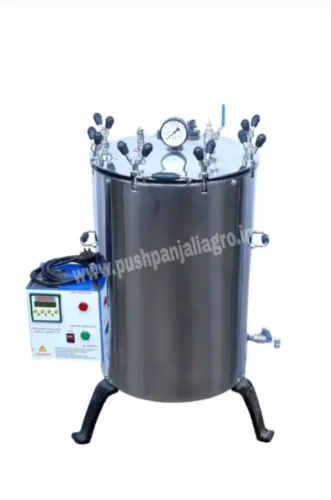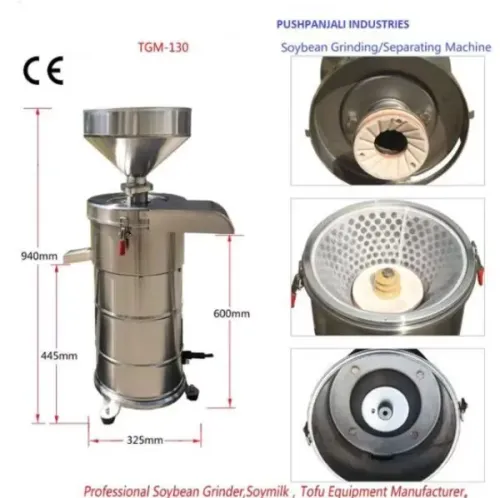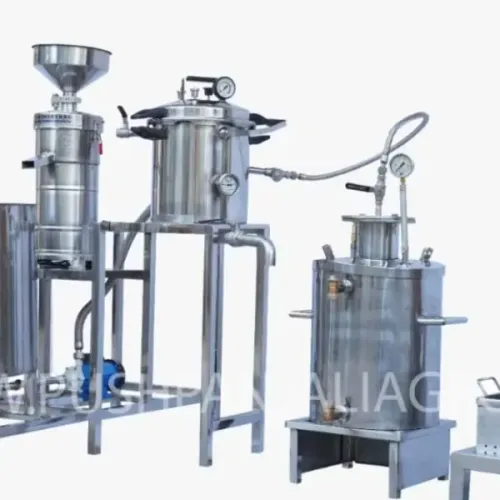
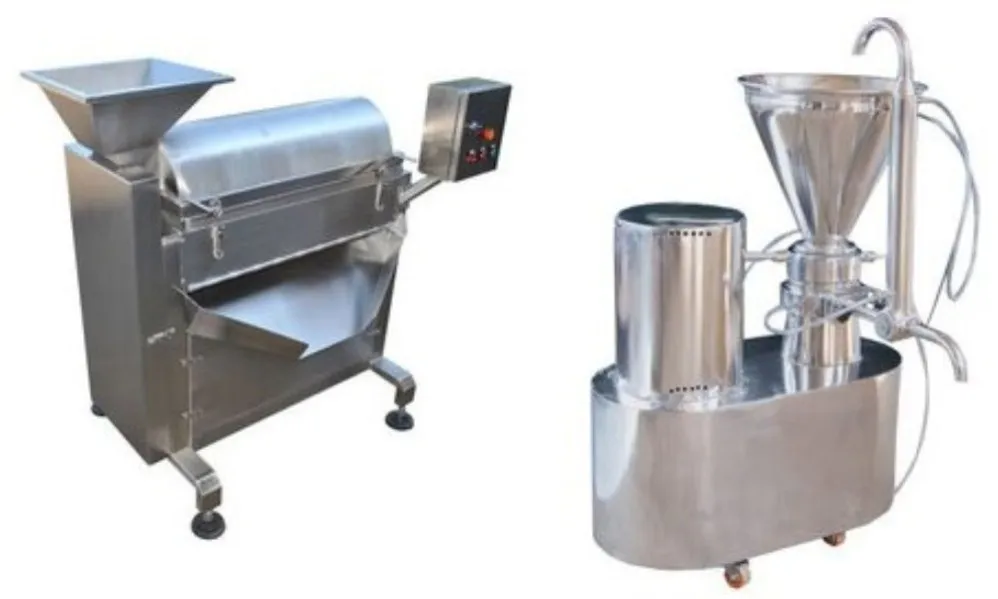
The term paneer-making equipment can refer to different processing requirements depending on whether a business is handling dairy milk or producing soy paneer, commonly marketed as tofu in many applications. Understanding the distinction is important before investing in machinery.
A Paneer Making Machine should be selected according to the raw material, production process, required output, pressing method and expected daily workload rather than simply by the machine's advertised capacity.
Dairy Paneer and Soy Paneer Start Differently
Traditional dairy paneer begins with animal milk. Soy paneer or tofu begins with soya milk extracted from processed soybeans.
Although both processes involve coagulation and separation, the raw materials and production controls are different.
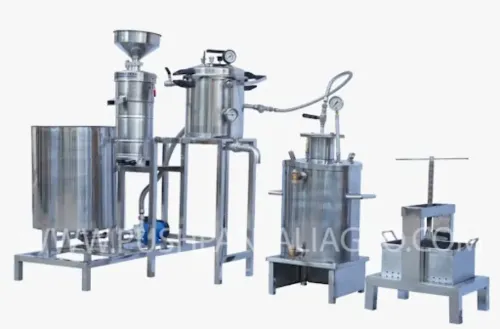
A tofu-oriented production line may therefore require:
- Soybean grinding and extraction equipment
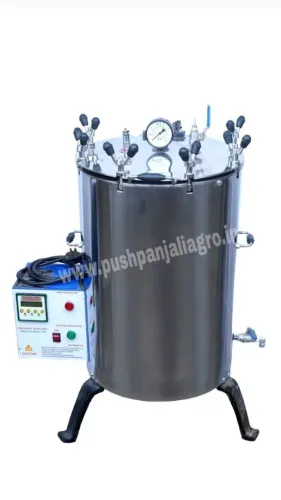
- Soya milk heating equipment
- Coagulation vessels
- Straining arrangements
- Tofu or paneer press
- Cooling and handling equipment
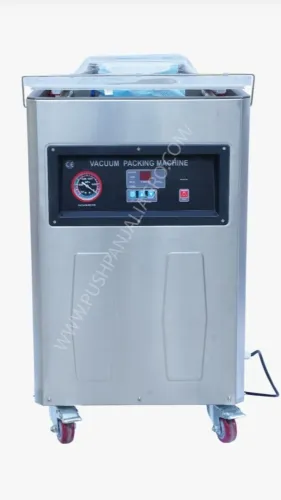
- Appropriate packaging machinery
Buying only a press does not create a complete tofu-production line.
Manual Pressing or Pneumatic Pressing?
Small-volume businesses may initially consider manual methods because they appear simple. However, production growth can make repeatability and operator effort increasingly important.
A pneumatic press can provide more controlled pressing while reducing dependence on continuous manual force. The suitability of any press still depends on batch size, desired product texture and operating procedure.
Compare Effective Capacity, Not Just Maximum Capacity
Suppose a press can handle significantly more product than the upstream soya milk section produces. The additional capacity may remain unused.
The opposite problem can also occur: an undersized press can create queues while subsequent batches wait for processing.
Before buying, calculate:
Daily target → batch size → number of batches → processing time → pressing capacity
This gives a much more realistic picture of equipment requirements.
Consider Cleaning and Product Changeovers
Businesses planning multiple products should assess how quickly equipment can be cleaned between production runs.
Food-contact areas should be easy to access, and the operating team should understand the cleaning procedure before commercial production starts.
Think About Expansion Before Finalising the Setup
An entrepreneur producing 50 units per day today may aim for considerably more after developing distributors, retail outlets or institutional customers.
That does not mean purchasing the biggest machine available. It means selecting equipment with a sensible expansion pathway.
Pushpanjali Industries manufactures soy-processing and paneer-related machinery in the Panchkula, Haryana region for businesses across India. Buyers evaluating a new project can benefit from discussing the entire production flow, including grinding, extraction, heating, pressing and packaging requirements.
The right machine is ultimately the one that matches the actual product and production plan. Comparing the complete process prevents buyers from paying for capacity they cannot use or discovering an unexpected bottleneck after installation.
Keywords