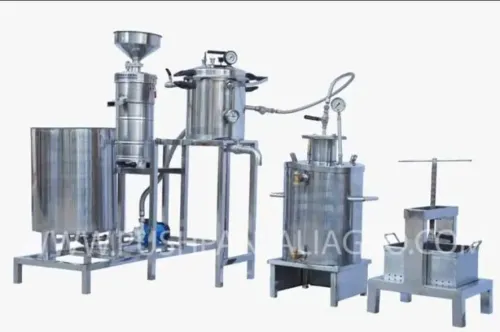
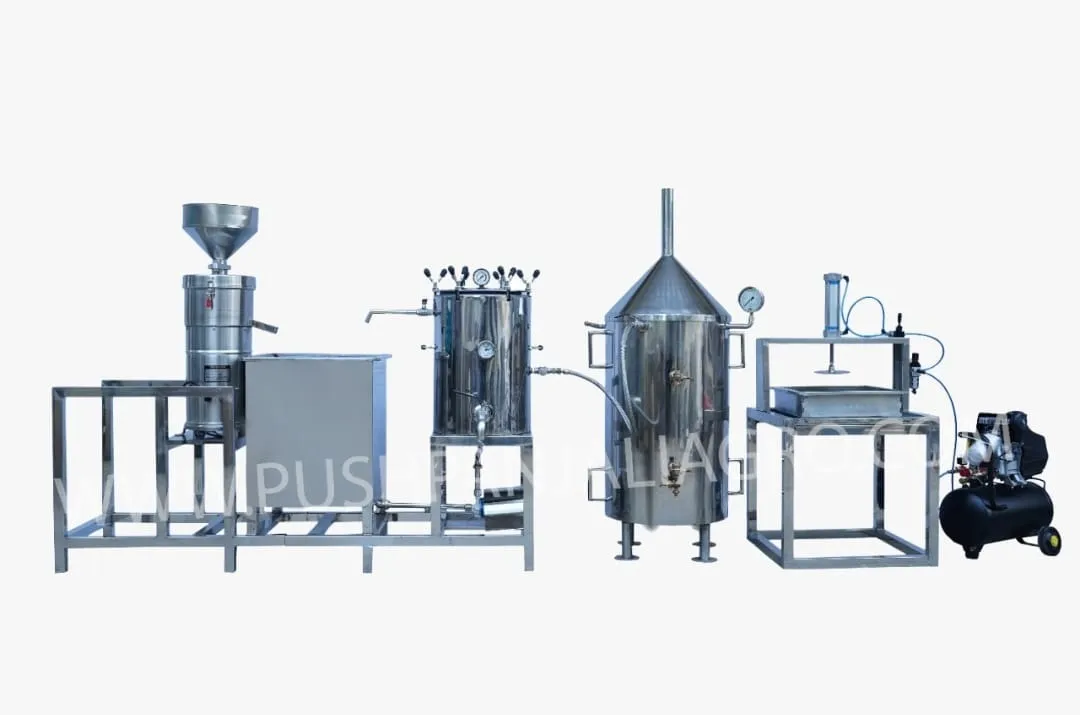
A commercial soy-processing setup can support more than bottled plain soya milk. Once a business understands how soybeans are converted into a controlled milk base, the same production foundation can open opportunities for several value-added products.
This makes a Soya Milk Machine relevant not only to beverage manufacturers but also to entrepreneurs exploring tofu, flavoured drinks and other soy-based food categories.
For businesses in Panchkula, Haryana, and food entrepreneurs elsewhere in India, thinking about the intended product portfolio before selecting machinery can prevent expensive changes later.
Plain Soya Milk
The most direct application is commercially prepared soya milk.
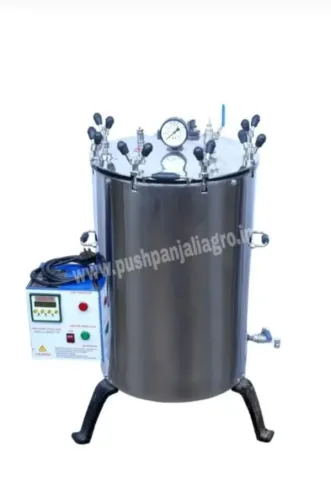
After soaking, grinding, extraction and appropriate heating, the milk can be processed according to the manufacturer's formulation and packaging method.
Consistency matters because customers expect a similar taste and mouthfeel each time they purchase the product.
Flavoured Soy Beverages
A standardised soya milk base can be developed into flavoured beverages using suitable formulations and controlled processing.
Potential product positioning may include retail beverages, institutional supply, cafés or food-service applications. Recipe development, food safety, permitted ingredients, packaging and shelf-life validation should all be addressed before commercial distribution.
Tofu Production
Soya milk also forms the base for tofu.
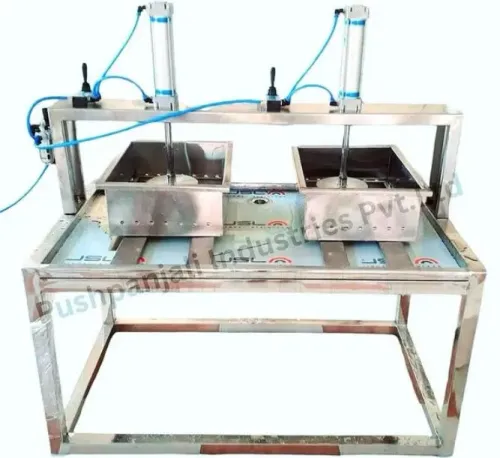
Instead of proceeding directly to beverage packaging, prepared soy milk can undergo controlled coagulation. The curds are separated and, depending on the tofu style, pressed and shaped.
This allows a processor to derive multiple products from a common raw material.
Soy Curd Applications
Businesses can also explore cultured soy products where appropriate processing and food-culture controls are available.
These products require their own formulation, temperature control and quality procedures, so they should not simply be treated as an extension of ordinary beverage production.
Institutional and Food-Service Production
Restaurants, caterers, specialty food manufacturers and institutional kitchens may require fresh soy milk or tofu as an ingredient rather than a packaged retail product.
In these environments, priorities can differ considerably from retail manufacturing. Production speed, cleaning convenience, batch scheduling and dependable daily operation may matter more than consumer packaging features.
Planning a Multiproduct Setup
Before selecting machinery, map the proposed products and identify which equipment will be shared.
Consider:
- Required litres of soya milk per day
- Expected tofu production
- Number of operating shifts
- Heating requirements
- Storage capacity
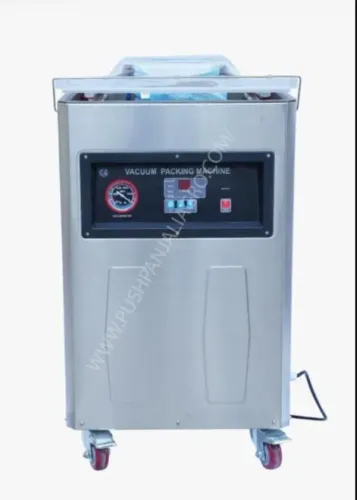
- Packaging formats
- Cleaning time between products
- Future production expansion
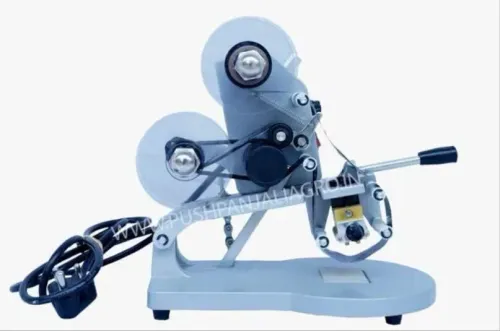
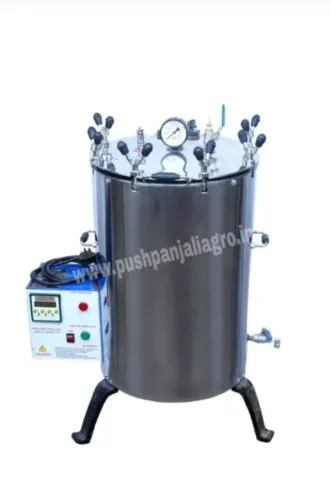
Pushpanjali Industries supplies soy and food-processing machinery from the Haryana manufacturing region for customers across India. Businesses considering a multiproduct operation can evaluate machinery as a connected production system rather than purchasing separate units without an overall process plan.
The value of soy-processing machinery ultimately depends on how effectively it fits the intended product mix. Defining those products first makes equipment selection much more straightforward.
Keywords